
Oregon Hunting and Farming Rights Amendment Clears First Step Toward 2028 Ballot

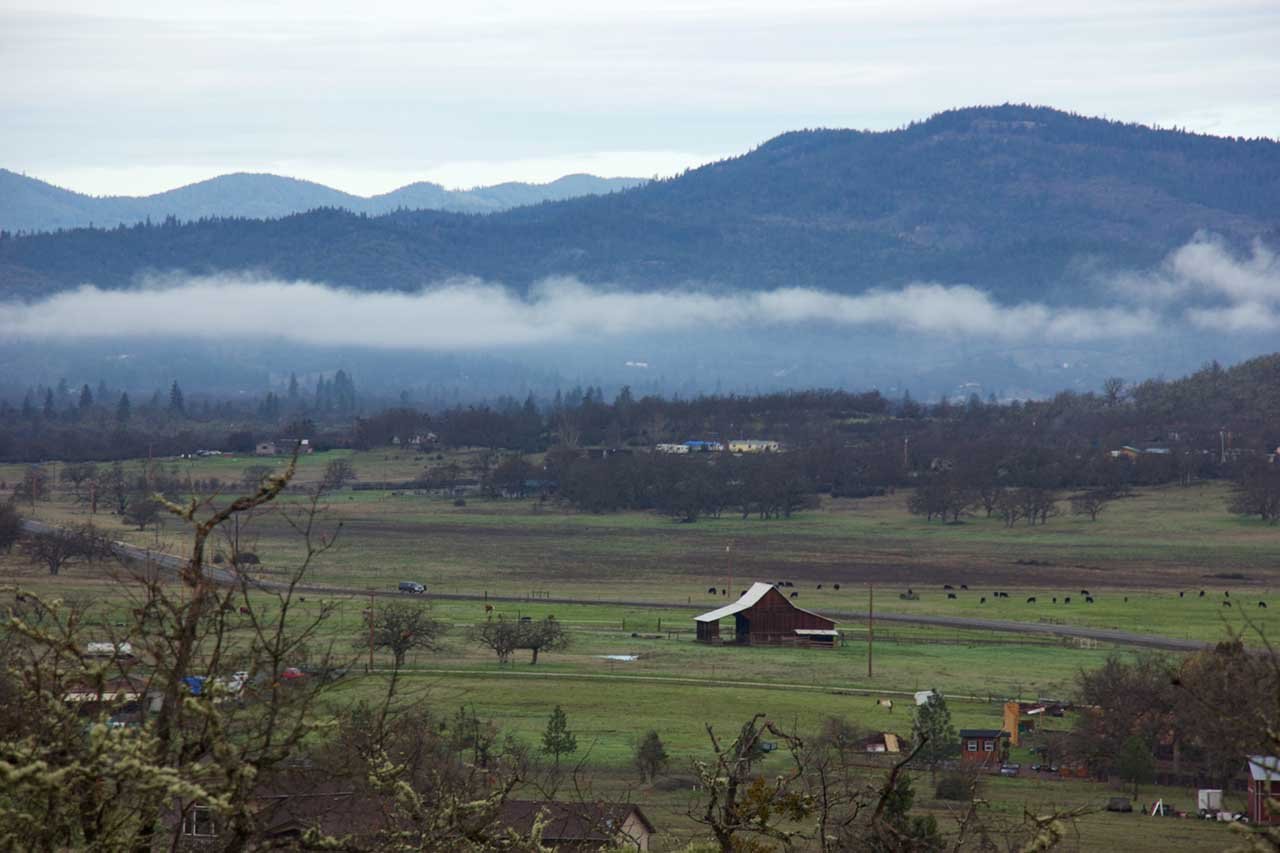
The proposed amendment to the Oregon Constitution to recognize the role the state’s natural resource heritage plays in its communities has taken a small step towards inclusion in the 2028 ballot.
According to the Oregon Secretary of State’s website, 1,000 signatures were required to begin the ballot-title drafting process, and petitioners successfully collected 1,557 verified signatures.
However, a much larger number of signatures will be required to put a constitutional amendment before voters.
Source: Oregon Secretary of State Elections Division
Dailytidings.com
Kari Goodheart, the chief petitioner of the Freedom Amendment (IP-25), is advocating for a constitutional amendment to the Oregon Constitution that would guarantee residents the fundamental human rights to hunt, fish, ranch, trap, and engage in agriculture, food production, animal husbandry, and wildlife management.
Goodheart also emphasizes the importance of safeguarding the state’s natural resource heritage and economy.
Goodheart states that the campaign places these rights and activities in the Oregon Constitution, making it difficult for future legislation to restrict them.
The Freedom Amendment was launched on the heels of the IP-28, which sought to criminalize injuring or killing animals, including killing for food, hunting and fishing. It also addressed breeding practices.
‘The same radical agenda will almost certainly reappear in a future election cycle…we must be ready,’ states the Freedom Amendment’s website page.
Petitioners say the IP-25 is not ‘about stopping a bad idea. It’s about securing our economy, our self-reliance, our cultural heritage, and the Oregon we love for our children and future generations.’
The petition calls on Oregonians who value hunting, fishing, farming, ranching, and responsible wildlife management to remain vigilant.
The IP-25 petitioners believe that those very practices ‘have sustained Oregonians for generations, promote a healthy economy, promote scientifically based conservation, and are essential to the responsible stewardship of natural resources.’