
Oregon House Passes Clean Energy Bill Aimed at Lowering Costs and Speeding Renewable Development
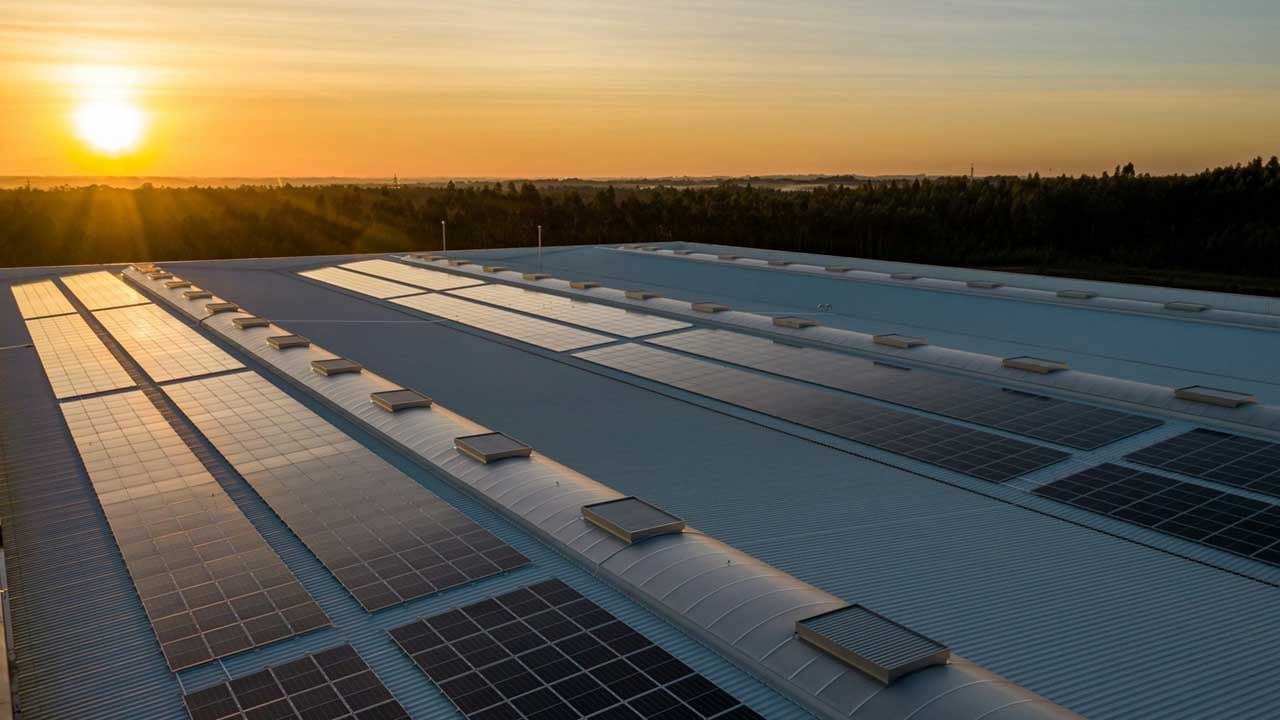
Oregon’s Clean Energy Bill, HB 4031, passed the House yesterday, taking a step further towards reducing energy costs for Oregonians and advancing renewable energy development.
Oregon House Passes Clean Energy Bill
Oregon’s HB 4031, designed to lower costs for ratepayers, reduce climate pollution, and cut red tape to speed up the approval process for renewable energy projects, passed the House yesterday.
It aligns state permits with federal incentives to maximize tax credits while maintaining local oversight.
Solar, wind, geothermal, and marine energy projects- seen as vital for stabilizing energy prices and reducing fossil fuel dependence- are central to the bill that seeks to streamline renewable energy development.
Oregon, currently ranked 47th in clean energy production, is lagging behind, and the bill could help improve the state’s rankings. The bill now advances to the Senate.
Oregon Grid and Transmission Restraints Could Slow Clean Energy Bill Goals
While HB 4031 promises agility and speed, Oregon’s biggest bottleneck for getting new renewables online is often grid interconnection and transmission capacity. Projects could wait years to connect.
Bonneville Power Administration (BPA) said last year that the Large Generator Interconnection Transition Phase 1 Cluster Study would not be completed by the August 18, 2025, due date and indicated it needed additional time to complete it.
Date | BPA update or action | Why it matters for project timing |
|---|---|---|
| Apr 19, 2025 | Phase One cluster study begins | Starts the required impact study work before interconnection agreements can move forward |
| Jul 23, 2025 | BPA says Phase One will miss the Aug 18, 2025 target | BPA cites 167 eligible requests and 61.1 GW of requested service as drivers of delay |
| Jan 30, 2026 | Phase One cluster study reports posted | Study results define required upgrades and costs at each point of interconnection |
| Jan 31, 2026 | 90 day customer review period opens | Customers review study outputs, raise questions, and submit required forms during the window |
| Feb 9 to 12, 2026 | BPA hosts cluster study report meetings | Public meetings where customers can ask questions on cluster area results |
More time was needed as a result of the combined total number of requests (167 eligible requests), the megawatt size of requests (61.1 GW of interconnection service), and the complexity of the Points of Interconnection.
The report indicated that the phase was expected to be completed by January 30, 2026 and the utility met this deadline, but a 90-calendar-day customer review period for the results opened on January 31. The next steps will only start in May.
Electric transmission system operators require proposed power plants seeking to connect to the transmission grid first to undergo a series of impact studies before they can be built.
Researchers at the Berkeley Lab indicated that the median duration from Interconnection Request (IR) to Commercial Operation Date (COD) has doubled, from under 2 years to more than 4 years, for those built in 2018-2024.
Source: Lawrence Berkeley National Laboratory / Queued Up 2025 edition (data through end of 2024)
Dailytidings.com
At the end of 2024, installations with a capacity of nearly 2,300 gigawatts (GW) were actively seeking grid connection. But most projects that apply for interconnection are ultimately withdrawn, while those that are built are taking longer on average to complete the required studies and become operational.