
Oregon Homeowners Could See Relief as New Bill Pushes Insurers to Reward Wildfire Defensible Space
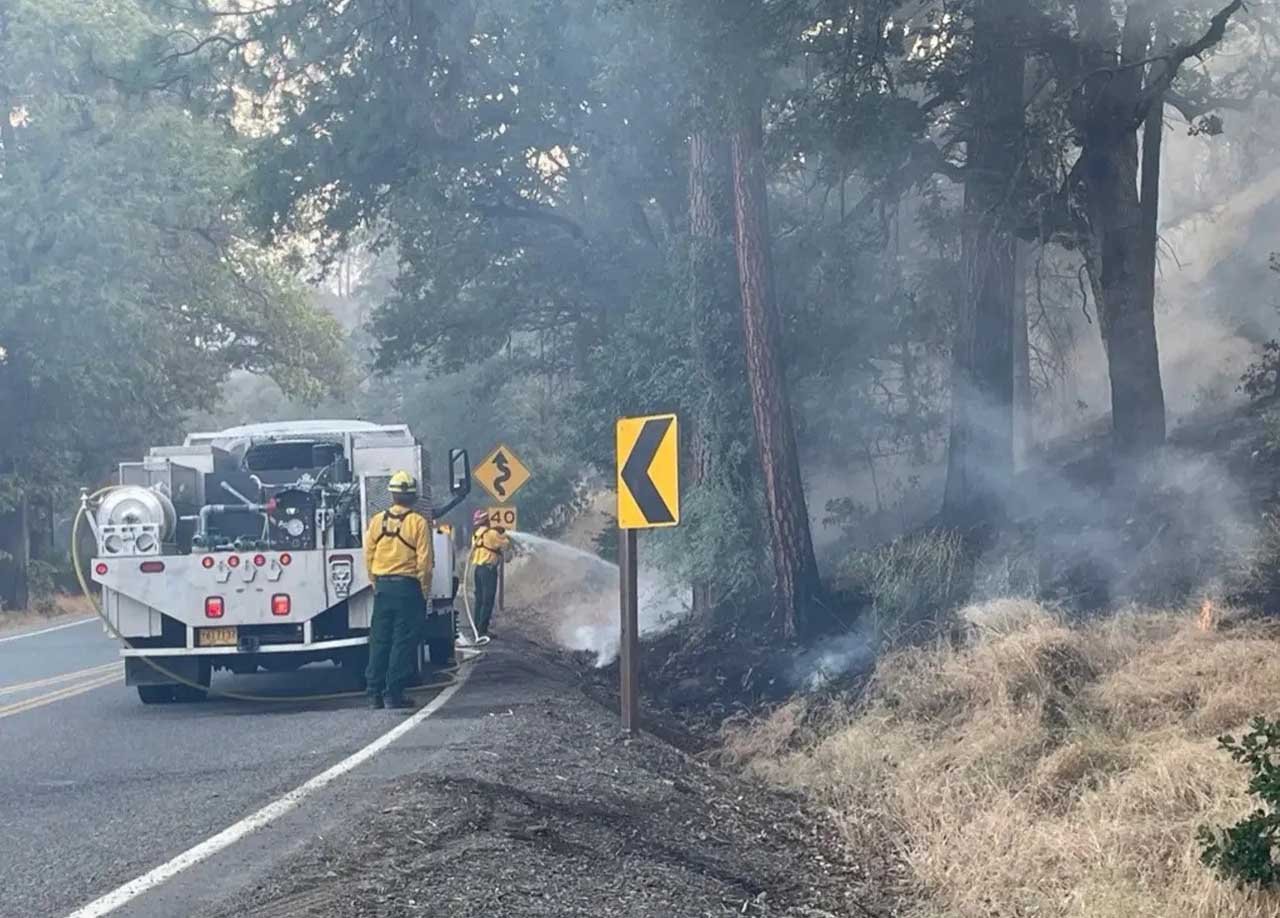
Oregon State Senator Jeff Golden, representing Southern Oregon, is sponsoring a bill to require insurers to reassess insurance quotes to account for home hardening and defensible space in wildfire risk models used to price and renew policies, as insurance premiums have soared. Some homeowners struggle to find an insurer.
New Wildfire Insurance Bill Introduced
A new Oregon bill would require insurers that use wildfire risk models to disclose how those models affect underwriting and rates, and to tell policyholders what steps would improve their risk score.
Source: Draft LC 182 text on Oregon Legislative Information System (OLIS)
Dailytidings.com
Under the bill, homeowners would qualify for premium discounts or other incentives if they can demonstrate that they have installed qualifying wildfire-hardening measures. If insurers do not appropriately credit community and property mitigation in their models or ratings.
The bill requires insurers that use a catastrophe model, a wildfire risk model, or a combination of a catastrophe model and a wildfire risk model to include community-level and property-specific mitigation actions in the model, or to show that their underwriting and rates incorporate applicable community-level and property-specific mitigation actions.
Insurers that don’t comply will have to give a policyholder a premium discount, adjustment, or other incentive that reflects that mitigation action has been taken close enough to the property to reduce the risk of loss.
Property-specific mitigation action to reduce the risk of wildfire or hazards or loss from wildfire for a specific property must be:
- Scientifically proven and includes creating defensible space, hardening structures against fire, or similar or related actions that prevent or reduce the risk of wildfire or the risk of hazards or loss from wildfire on the property
- Certified by the Insurance Institute for Business and Home Safety, which designates the property as a Wildfire Prepared Home or equivalent program.
Source: Oregon State University Extension Home Ignition Zone zones and distances
Dailytidings.com
This is the kind of documentation homeowners can keep to make discounts easier to claim.
| Mitigation action | What to save as proof | Common standard referenced |
|---|---|---|
| Immediate zone cleared (0 to 5 feet) | Before and after photos / dated note of work done | OSFM defensible space guidance |
| Roof and gutters cleared of debris | Photos / maintenance receipt or checklist | OSFM defensible space guidance |
| Vents protected with fine mesh | Installer invoice / close up photos of vent screens | OSFM defensible space guidance |
| Firewood stored away from structures | Photo showing distance from the home | OSFM defensible space guidance |
| Defensible space maintained to 30 feet | Home assessment report / dated photos of vegetation management | IBHS Wildfire Prepared Home technical standard |
| IBHS Wildfire Prepared Home designation | Designation certificate / inspection documentation | IBHS Wildfire Prepared Home program |
In addition, readily accessible information about premium discounts, adjustments, and other incentives available, as well as information on appeals processes, must appear on the insurer’s public website.
Every year, the insurer would have to advise the policyholder of their risk classification or score and any mitigation actions the policyholder could undertake to improve their classification or score. The reasons for the classification and the score must also appear in the notice.
The new bill seeks to empower homeowners with the information and financial motivation to make their homes safer, addressing frustrations over rising premiums. If passed, the bill would shift Oregon’s wildfire insurance approach by incentivizing safety measures.
Wildfire Insurance Annual Notices Set To Reward Defensible Spaces & Home Hardening
After the high costs of the 2020 Labour Day fires, my insurers elected to leave Oregon, and others increased premiums or declined to quote homes in high-risk areas.
In Bend, Ashland, Medford, and Hood River, premiums for most people have doubled or quadrupled due to the wildfire risk. In central, southern, and eastern Oregon, homeowners have faced higher annual premiums or had their policies canceled when they came up for renewal.
Since 2023, laws passed by the Legislature have mandated that insurers reflect how they account for wildfire mitigation efforts, such as home hardening, in their underwriting guidelines and explain on their websites how such efforts affect rates or any discounts a property owner could receive.
Yet insurance premiums have continued to soar, despite homeowners’ best efforts to protect their homes, and some insurers no longer write new policies in high-risk areas.
In the new bill, the goal is to reward defensible space and home hardening while making wildfire risk scoring more transparent.
Insurers would have to give policyholders annual notices explaining how a property’s score was set and how specific mitigation could change it. The appeals process against a rating must also be published on their website.