
Oregon Declares Level 3 Emergency as Atmospheric River Brings Flooding Threats and Knocks Out Power to 177,000 Homes
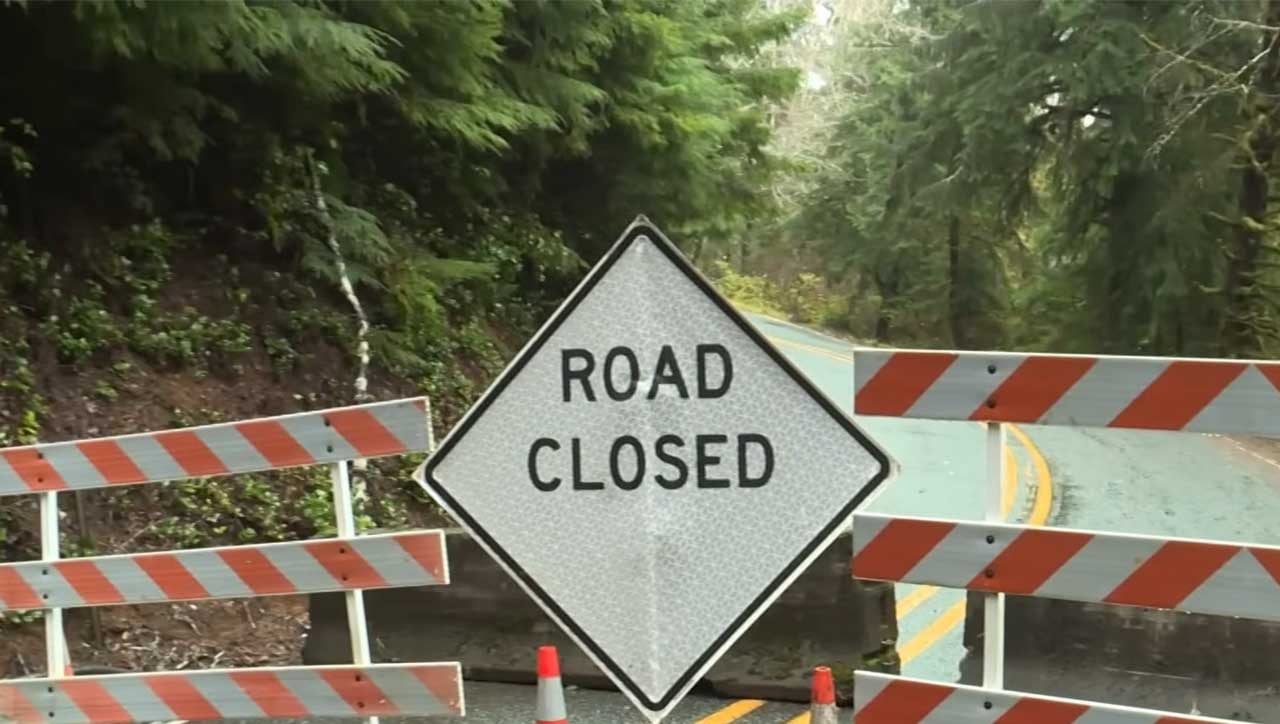
A Level 3 State of Emergency has been declared in Oregon, as an incoming atmospheric river is expected to bring heavy rainfall and potential flooding, especially in the western parts of the state, which are at an increased risk of landslides.
Source: Oregon Department of Emergency Management press release / National Weather Service Portland Flood Watch / KATU outage update
Dailytidings.com
Heavy downpours are expected today (Thursday) and tomorrow, and a Flood Watch has been issued to multiple counties, including Benton, Clackamas, Clatsop, Columbia, Hood River, Lane, Lincoln, Linn, Marion, Multnomah, Polk, Tillamook, Washington, and Yamhill.
Landslides and debris flows are expected in the southern areas of the state on Saturday, particularly in areas that recently experienced wildfires. Coastal areas will be lashed by high wind gusts and saturating rainfall.
For the latest updates from Oregon Emergency Management (OEM) and tips on how to Be 2 Weeks Ready for any disaster, visit Oregon.gov/OEM.
177,000 Households Without Power
Meanwhile, by 8.30 a.m. yesterday, 177,000 households served by Pacific Power, Portland General Electric, and Clark PUD were without power. Hardest-hit were the areas of Clatsop, Astoria, Albany, Corvallis, Gresham, Mt. Hood, North Portland, and Lebanon in the mid-Willamette Valley.
In Portland, uprooted trees have created emergency situations at 45 localities, while several schools have either kept their closed, or introduced late starting times for class. In Tualatin, trees crashed into a townhouse complex. High-speed wind gusts of over 50 m.p.h. whipped across the Portland International Airport during the early hours of the morning.
Road Closures
Roads have been closed because of fallen power lines: OR 99E, OR 126, US26, OR130, and OR213. Road closures caused by fallen trees are: OR22, OR126, OR20, OR219, and OR213.
Oregonians must remain alert to the dangers of downed power lines and are warned not to go near them.
They should also assemble an emergency kit to cope with power outages, including warm clothing, bedding, food, water, medications, pet supplies, flashlights, and working radios to stay informed of latest weather updates.