
Oregon Cities Halt AI License Plate Reader Program After System Reactivates Cameras Without Permission
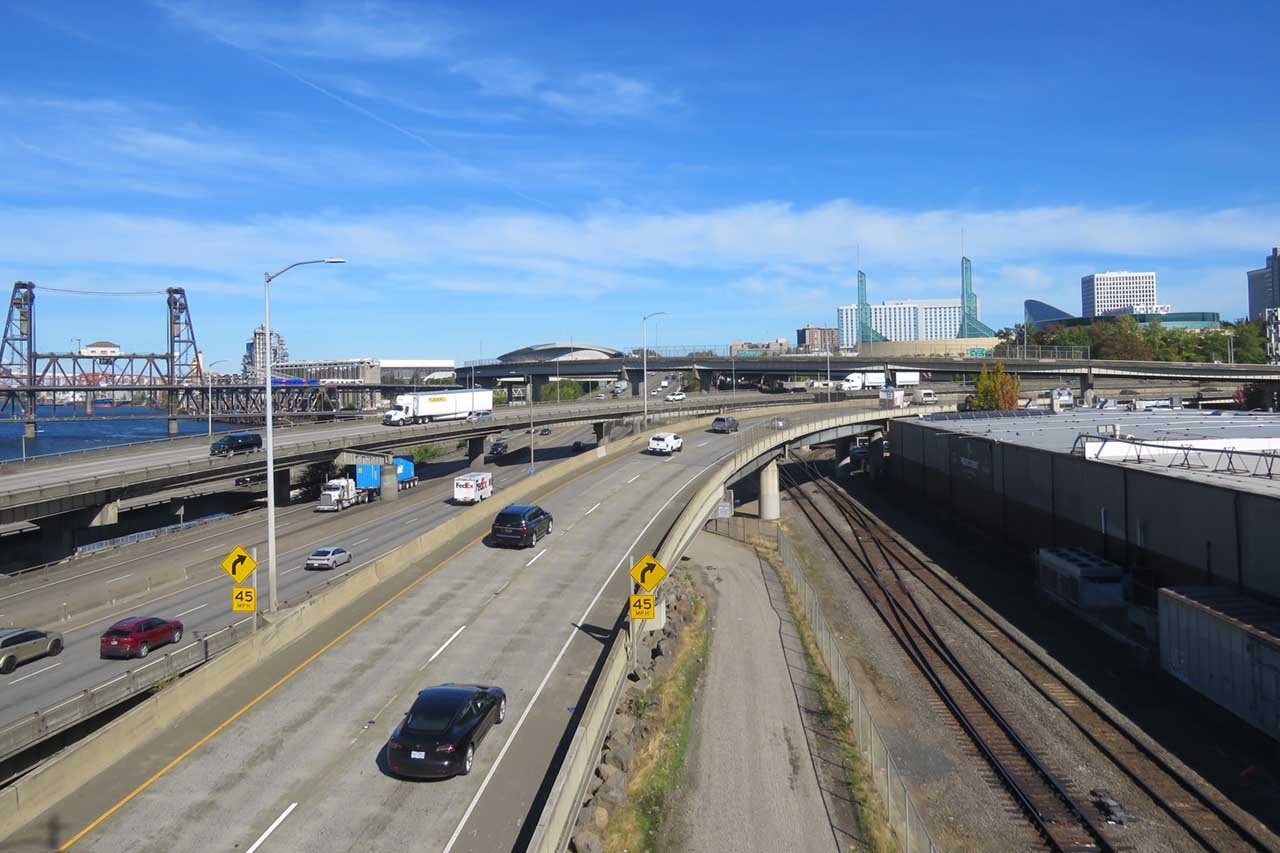
Flaws in the Automatic License Plate Reader (ALPR) system, installed in Eugene, could result in Oregon lawmakers introducing tighter controls over the AI system.
Lawmakers heard from a work group, consisting of law enforcement agencies and concerned citizens, organized earlier this month by Senator Floyd Prozanski (D-Eugene), after the Eugene and Springfield decision to end their ALPR contract with Flock Safety.
Source: City of Eugene notice on ending contract / Flock Safety privacy and ethics page on default deletion / AP report on Flock scale and image volume
Dailytidings.com
Limitations and Vulnerabilities in the AI System
Eugene decided to terminate the contract after discovering significant limitations and vulnerabilities in the AI-operated ALPR system.
City officials expressed serious concerns about the system’s ability to meet data security requirements, particularly after it was revealed that one of the cameras had been reactivated without proper authorization.
These cameras are primarily installed at major intersections and highway off-ramps, capturing thousands of license plate images daily. In addition to license plate data, the system also stores vehicle information, including color and model.
The information is then stored in a database for 30 days, enabling law enforcement agencies to map the movements of individuals over a period of weeks.
| Safeguard | What it should require | Why it matters |
|---|---|---|
| Purpose limits | Define allowed uses and ban secondary uses outside that scope | Prevents mission creep |
| Retention and purge | Automatic deletion schedule and clear rules for evidence holds | Limits long term movement mapping |
| Access controls | Role based access, approvals, and account controls for vendors and staff | Reduces unauthorized use risk |
| Audit and discipline | Regular audits plus penalties for misuse or policy violations | Creates real accountability |
| Data quality and verification | Process to verify alerts and address misreads | Avoids bad stops from errors |
| Sharing rules | Who can query / who cannot / what approvals are needed | Controls access across agencies |
Lawmakers heard that Springfield never activated the cameras, but that one of its cameras had also been turned on without instruction, prompting their decision to terminate the contract.
Other Oregon locations included Lane County, which ended its contract before cameras were installed, while the installation of the ALPR system was under consideration by Junction City and Veneta.