
Oregon Challenges Trump’s Use of Rare 1974 Trade Law to Impose Tariffs
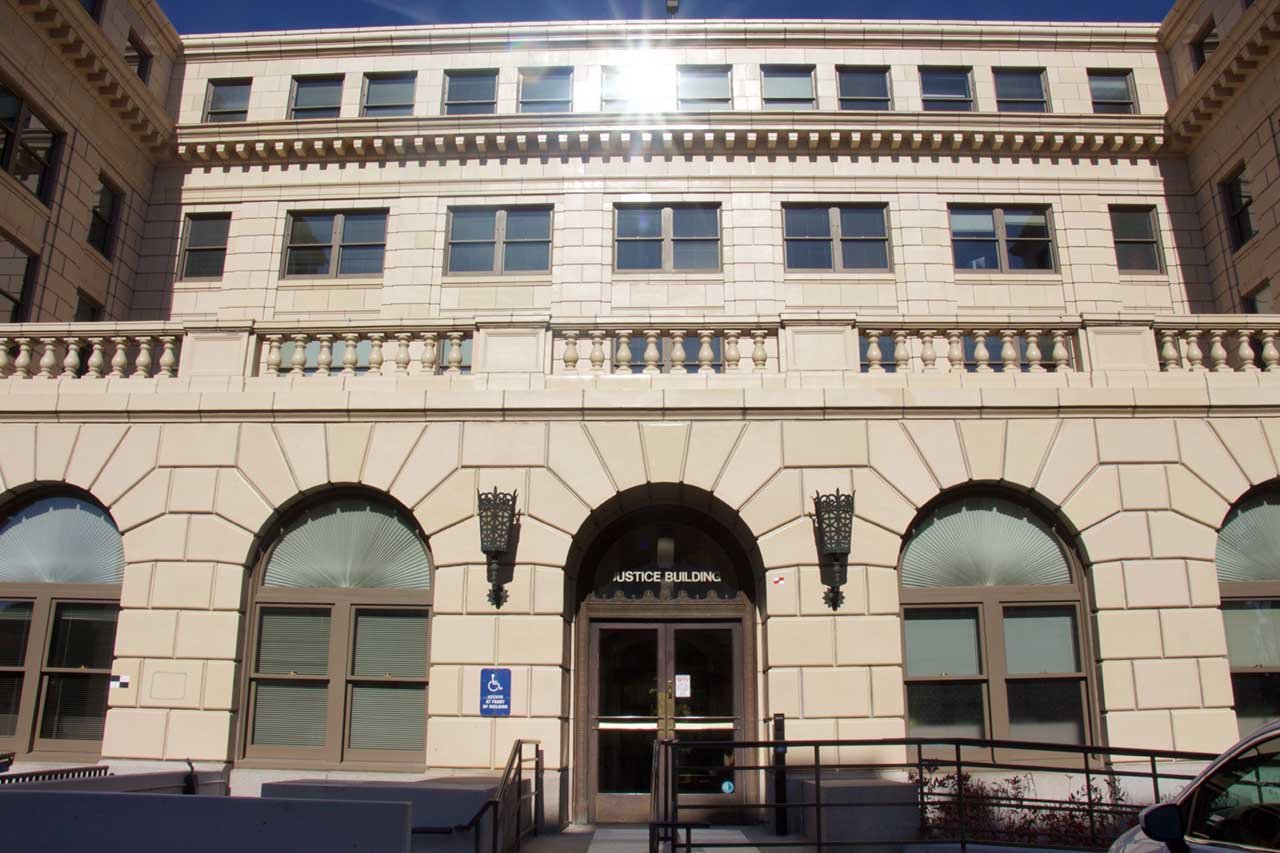
In a lawsuit over the new round of tariffs implemented by President Donald Trump, the 24-state coalition- led by Oregon- argues that the tariffs go beyond what Congress authorized and says the law doesn’t authorize the tariffs, because the conditions the statute was designed to address do not exist today.
Oregon Attorney General Dan Rayfield said, “The president is doubling down on his failed economic agenda – making working families foot the bill while he rewrites the rules on a whim.”
At a hearing yesterday at the Court of International Trade in New York City, the court heard arguments against the new round of tariffs imposed under Section 122 of the Trade Act of 1974. Section 122 has never been used before and is a narrow statutory check on executive power requiring Congressional approval to extend measures beyond 150 days.
Enacted in the aftermath of the 1971 “Nixon Shock,” Section 122 authorizes the President to impose temporary, non-discriminatory tariffs of up to 15 percent for 150 days to address “fundamental international payments problems,” for example, large balance-of-payments deficits.
Sources: Oregon Department of Justice, 19 U.S.C. 2132, SIFMA U.S. Treasury Securities Statistics
Dailytidings.com
A balance-of-payments crisis occurs when a country can no longer obtain sufficient financing through global capital markets or acquire the foreign currency needed to pay for critical imports or service external debt.
None of the fundamental international payment problems is present in the US today. The country maintains a $30 trillion Treasury market with approximately $1.2 trillion in daily trading volume- the foundation of the global financial system. Oregon AG Rayfield asked the court to block the tariffs.