
Oregon Adopts New Disaster Recovery Plan as Federal Cuts Leave Major Gaps in Long-Term FEMA Support
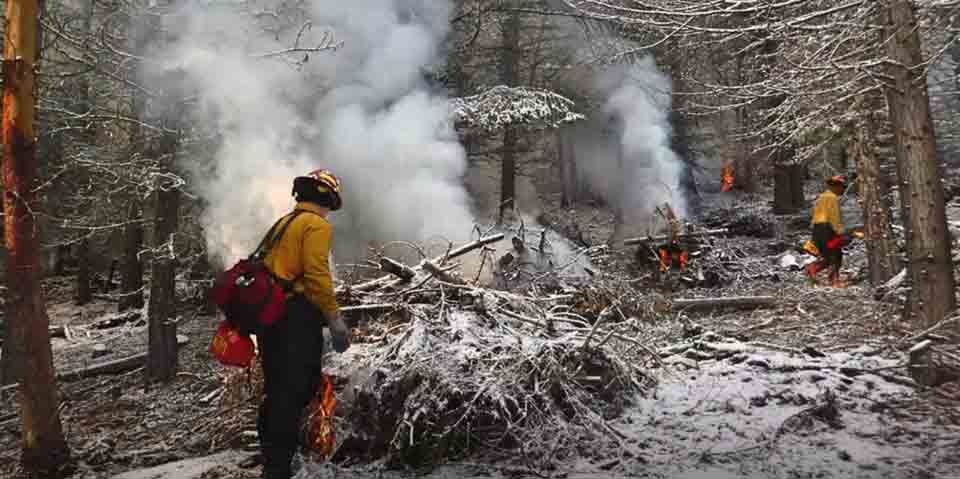
The Oregon Department of Emergency Management (OEM) adopted the Oregon Disaster Recovery Plan (ODRP), statewide framework to guide recovery efforts following disasters, yesterday in the wake of FEMA funds being slashed by the federal government.
Oregon Disaster Recovery Plan Adopted
Volume IV of the State of Oregon Comprehensive Emergency Management Plan (CEMP), the new Disaster recovery Plan aligns with the National Disaster Recovery Framework published by the Federal Emergency Management Agency (FEMA), and reflects lessons learned from recent disasters, including the 2020 Labor Day Wildfires.
The ODRP is a roadmap for restoring essential services, rebuilding infrastructure, and supporting economic and social recovery. Collaboration across the whole community, including local governments, Tribal Nations, businesses, nonprofits, and residents are central to the plan to ensure recovery is locally driven and state supported.
The plan, intended to be an all-hazards document, incorporates best practices to ensure the state is prepared to manage recovery operations effectively. It gives the state a scalable recovery organization that can be implemented for incidents of varying levels of complexity and includes:
- Recovery Organization: Organizational structures in place during recovery including roles and responsibilities for state, local, Tribal, and federal partners during recovery operations.
- Recovery Concept of Operations: How recovery activities will be organized, coordinated, and managed at the state level in a disaster, imcluding the recovery continuum and the interface between response and recovery operations.
- Equity Vision: Promotes inclusive, accessible solutions to ensure recovery efforts address the needs of disproportionately impacted communities.
- Recovery Support Functions (RSFs): Covers state coordination and resources across seven RSFs.
| RSF | Coordinating agency | Focus |
|---|---|---|
| RSF 1 : Community Assistance | OEM | Local recovery coordination |
| RSF 2 : Economic Recovery | Business Oregon | Business and jobs recovery |
| RSF 3 : Health and Social Services | OHA | Health system restoration |
| RSF 4 : Human Services | ODHS | Direct support for survivors |
| RSF 5 : Disaster Housing | OHCS | Temporary and long term housing |
| RSF 6 : Infrastructure Systems | OEM | Lifelines and critical systems |
| RSF 7 : Natural and Cultural Resources | DEQ | Environmental recovery support |
Oregon Governor Tina Kotek said, “Coordinating resources effectively, prioritizing equity in recovery efforts, and helping Oregonians rebuild stronger and more resilient communities are at the heart of our planning efforts.”
Oregon Disaster Plan Will Have To Fill In Federal FEMA Funding Shortfall
Under the Trump administration’s 2025-2026 budget cuts, specifically the so-called “Big, beautiful bill,” federal FEMA funding for long-term recovery projects has been significantly reduced or delayed and Oregon will now have to rely more heavily on its own resources and partnerships to fill gaps in post-disaster rebuilding efforts.
Earlier this month, Pew noted that the uncertainty around federal disaster funding is looming over state budgets, despite that the frequency and cost of natural disasters has increased nationwide.
Source: Oregon OEM federal changes update plus OEM posted FEMA BRIC advisories April 2025
Dailytidings.com
Oregon’s unique geography means that the state experiences many natural disasters including severe wildfires, flooding, landslides, earthquakes (specifically the Cascadia Subduction Zone), and tsunamis, while coastal areas are prone to erosion and the whole state deals with bitter winter storms.
Yet in October, FEMA halted payment of Emergency Management Performance Grants and while the timeline is still unclear, states will not receive the funding needed to recover from disasters.
AP News reports that FEMA indicated it was ending the BRIC program and “cancelling all applications from 2020 to 2023.” The agency said undisbursed grant money would be returned to the federal government.