
As Oregon Jobless Rate Hits 5.2%, New Law Lets Striking Workers Collect Unemployment Benefits
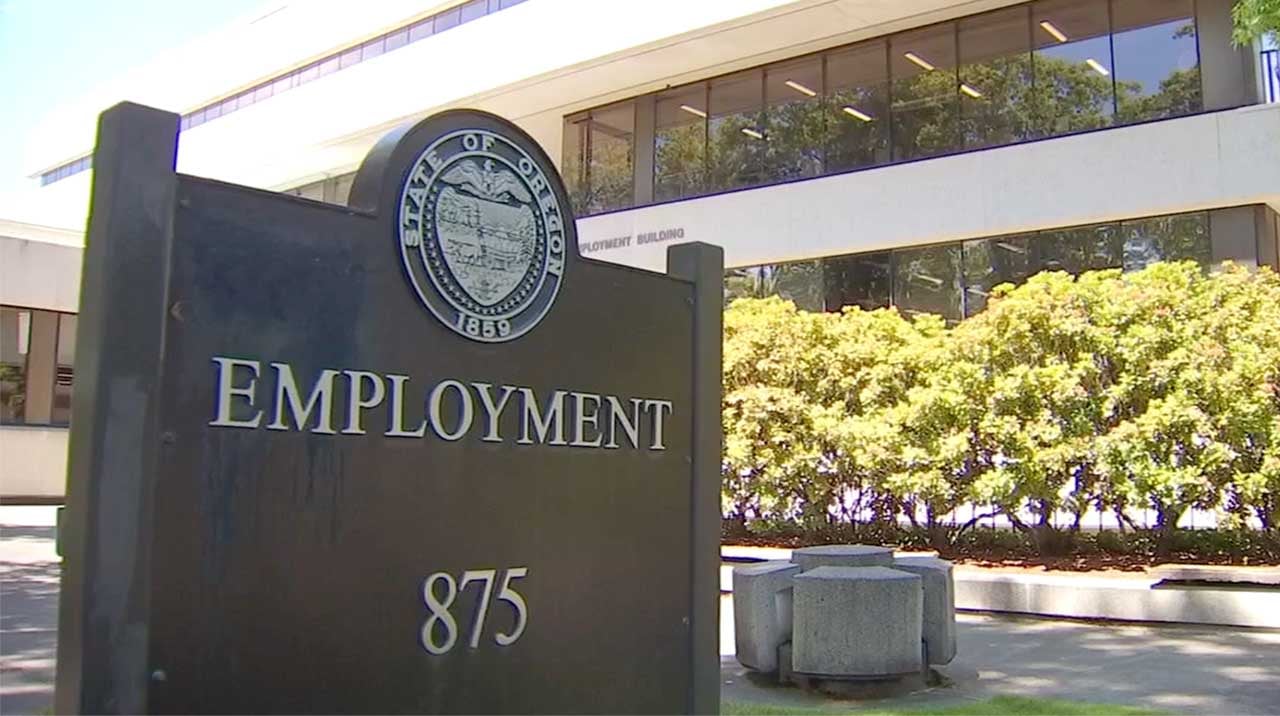
There’s some good news amidst Oregon’s soaring unemployment rate: If you’re out of work because of a strike, lockout, or other labor dispute on or after January 4, 2026, you could be eligible for benefits from the Unemployment Insurance (UI) Program.
Oregon’s Unemployment Rate Reaches 5.2%
While the U.S. unemployment rate was 4.5% in November and 4.4% in December, Oregon’s Unemployment rate increased to 5.2% in December, which saw the state fall to 47th Worst in the country.
Source: Oregon Employment Department / Oregon’s Unemployment Rate Was 5.2% in December (Jan 22, 2026)
Dailytidings.com
Seasonally adjusted nonfarm payroll employment dropped by 2,200 jobs, after a gain of 800 jobs, as revised, in November.
While December’s gains were significant in professional and business services (+1,100 jobs) and government (+500), big losses were experienced in construction (-2,500 jobs), retail trade (-900), and transportation, warehousing, and utilities (-900).
Professional and business services recovered some of the jobs it lost during the first half of 2025, adding 1,900 jobs in the last two months of the year. The sector’s three component industries rose between October and December, with administrative and waste services growing the fastest, adding 900 jobs, an increase of 0.9%.
Despite relatively strong growth during July through October, Construction cut 3,000 jobs during the last two months of 2025. The 113,900 jobs recorded in December are close to spring level, but slightly below the sector’s three-year average of 116,900 jobs from 2022 through 2024.
Since early 2023, retail trade has trended downward. The sector’s 1,200 holiday hires were below the typical seasonal pattern during the last two months of the year. 199,200 seasonal workers were hired in December, 11,300 jobs, or 5.4%, below the three-year prior.
After summer growth, the transportation, warehousing, and utilities sector cut 1,400 jobs in November and December. 78,200 workers were employed in December, close to the sector’s three-year average of 78,500 jobs from 2022 through 2024.
New Oregon Bill Provides For Unemployment Benefits During Industrial Action
A new bill, Senate Bill 916 (2025), repeals the law that denies UI benefits to a person who is unemployed due to an active labor dispute. The bill took effect on January 4, and SB 916 will apply to any active strike.
The legislation means that striking workers have an extra unpaid week before they qualify for benefits, but these benefits are subject to a limit based on the UI tax schedule in effect at the time.
Here is a quick filing checklist readers can follow week to week:
| Step | What to do |
|---|---|
| 1 | File an initial claim or restart an existing claim as soon as you stop working. |
| 2 | In the application, select the separation reason as strike or lockout as instructed. |
| 3 | File a weekly claim every week, even if the initial claim decision is pending. |
| 4 | Keep a record of required work seeking activity for striking workers. |
| 5 | If back pay is later issued for strike weeks, repay UI benefits tied to those weeks. |
This means that striking workers could collect unemployment benefits for up to 10 weeks, even as the unemployment rate rises.
Look on the Oregon Employment Department’s website to find the eligibility requirements and how to file a Weekly Claim.